Logo Archive
Fourteen years of marks and form studies
Fourteen years of marks — commissions, university studies, and personal explorations that kept me honest about form. Each entry taught me something specific: how a letterform holds weight, how a monogram locks together, or when it's time to stop refining.
Discipline
Branding & Identity
Format
Marks & Logotypes
Timeline
2011–2025
Context
Commissioned & personal
Structural Typography
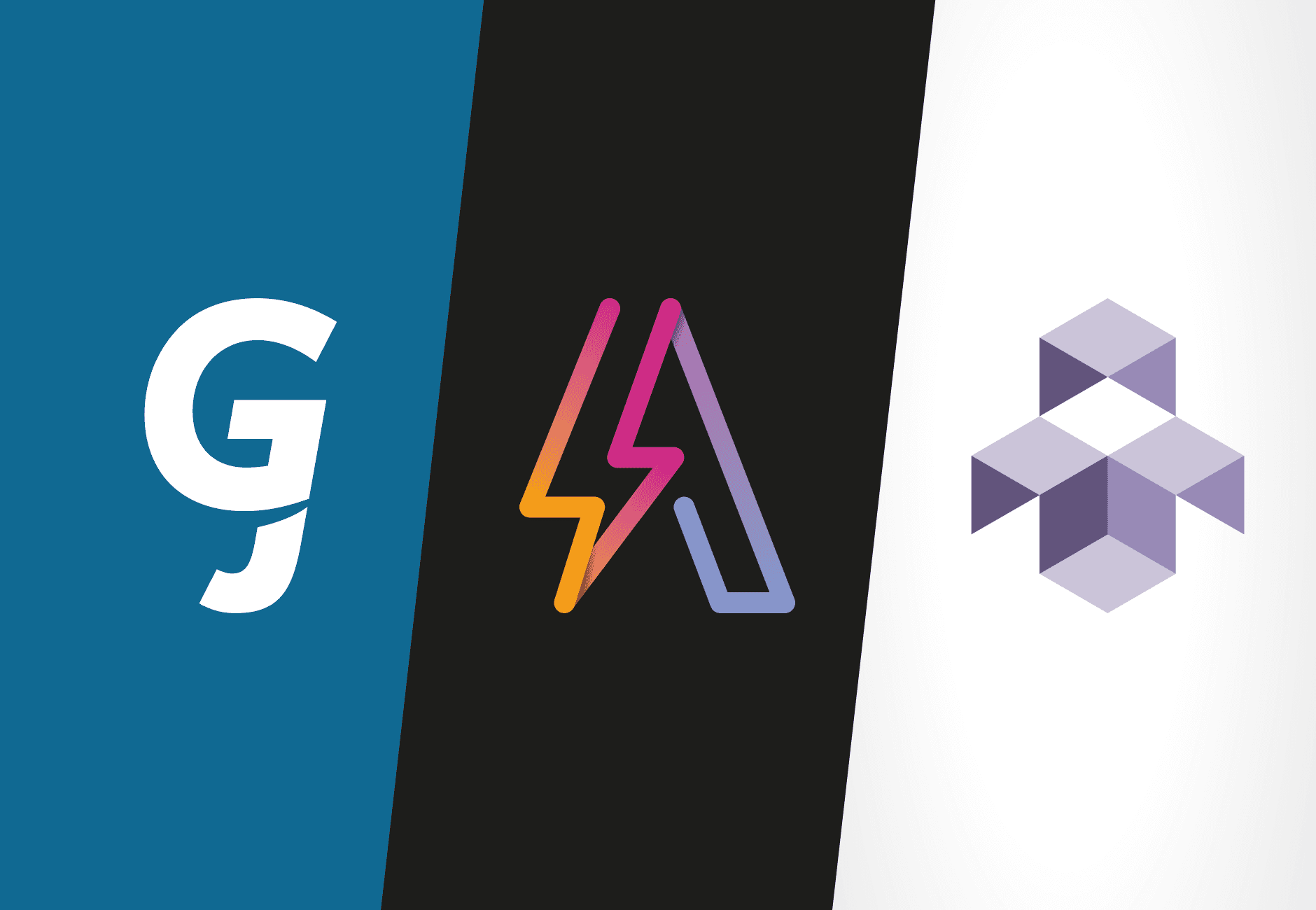
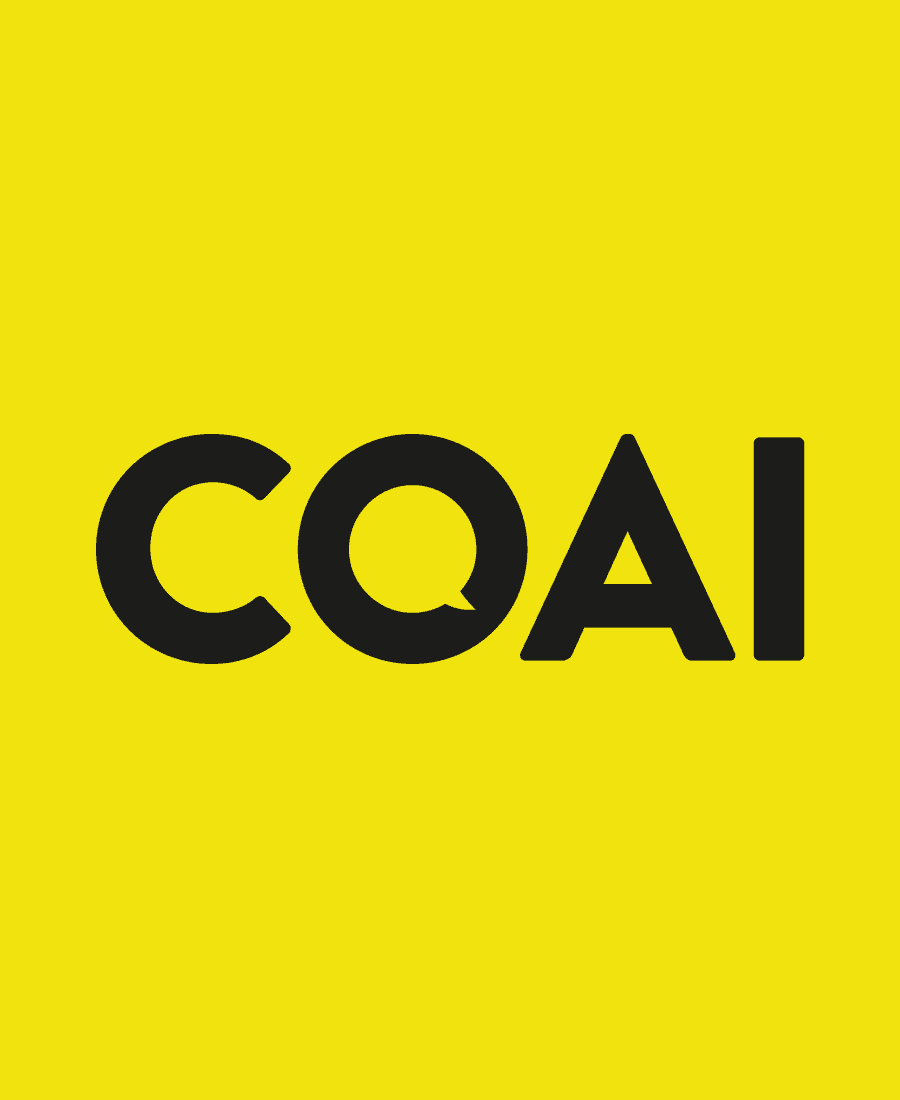
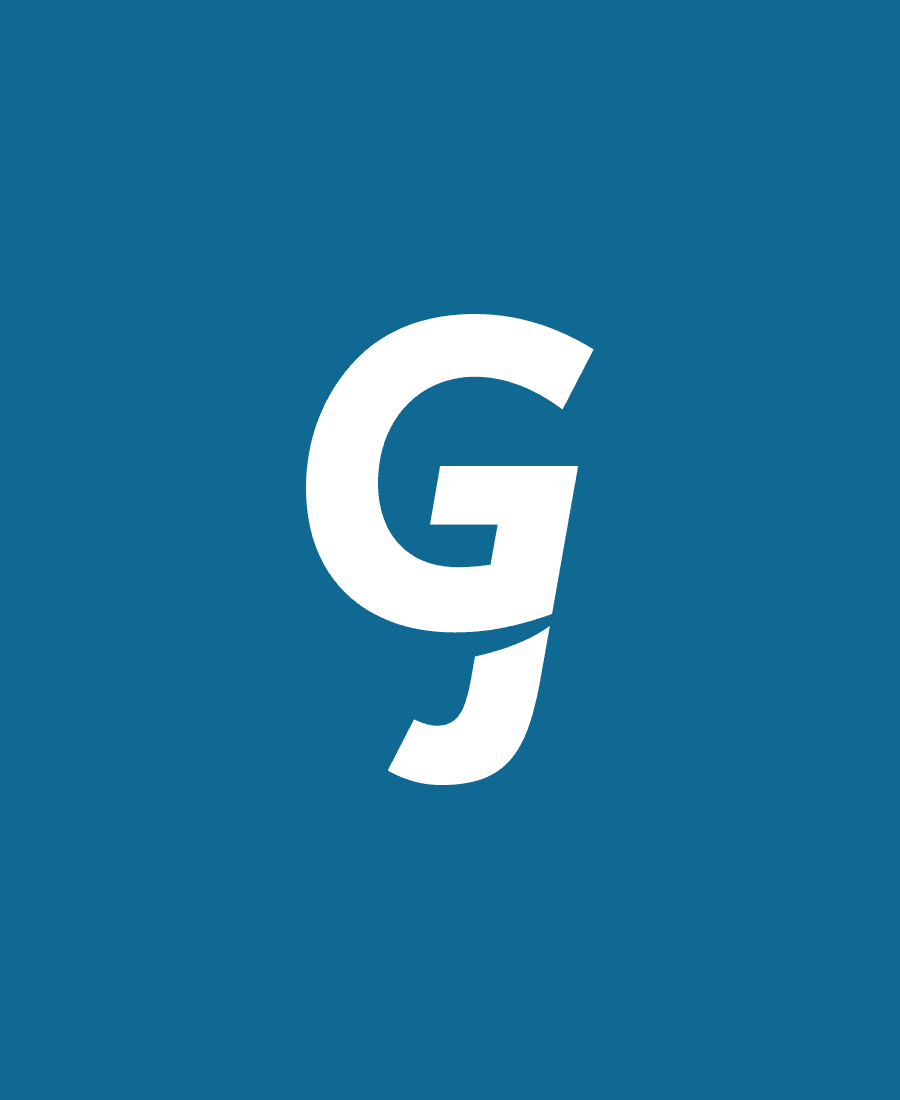
Distinct logotypes live or die by their structure. When I worked the dialogue cue into the COAI wordmark and locked the G and J into a single monogram, every iteration came down to the same questions: where does the eye rest, how does the weight balance, what can I take out before the form breaks?
Conceptual Synthesis
Some briefs start with an abstraction I have to make tangible. The nail forming the 'R' for Roots Down — a friend's carpentry venture — kept the craft in the stem while the curve echoed 'root'. The Jazz Mission mark, a university collaboration, let a musical note quietly define the 'J'.

"There are three responses to a piece of design: Yes, no, and WOW! Wow is the one to aim for." – Milton Glaser
Symmetrical Harmony
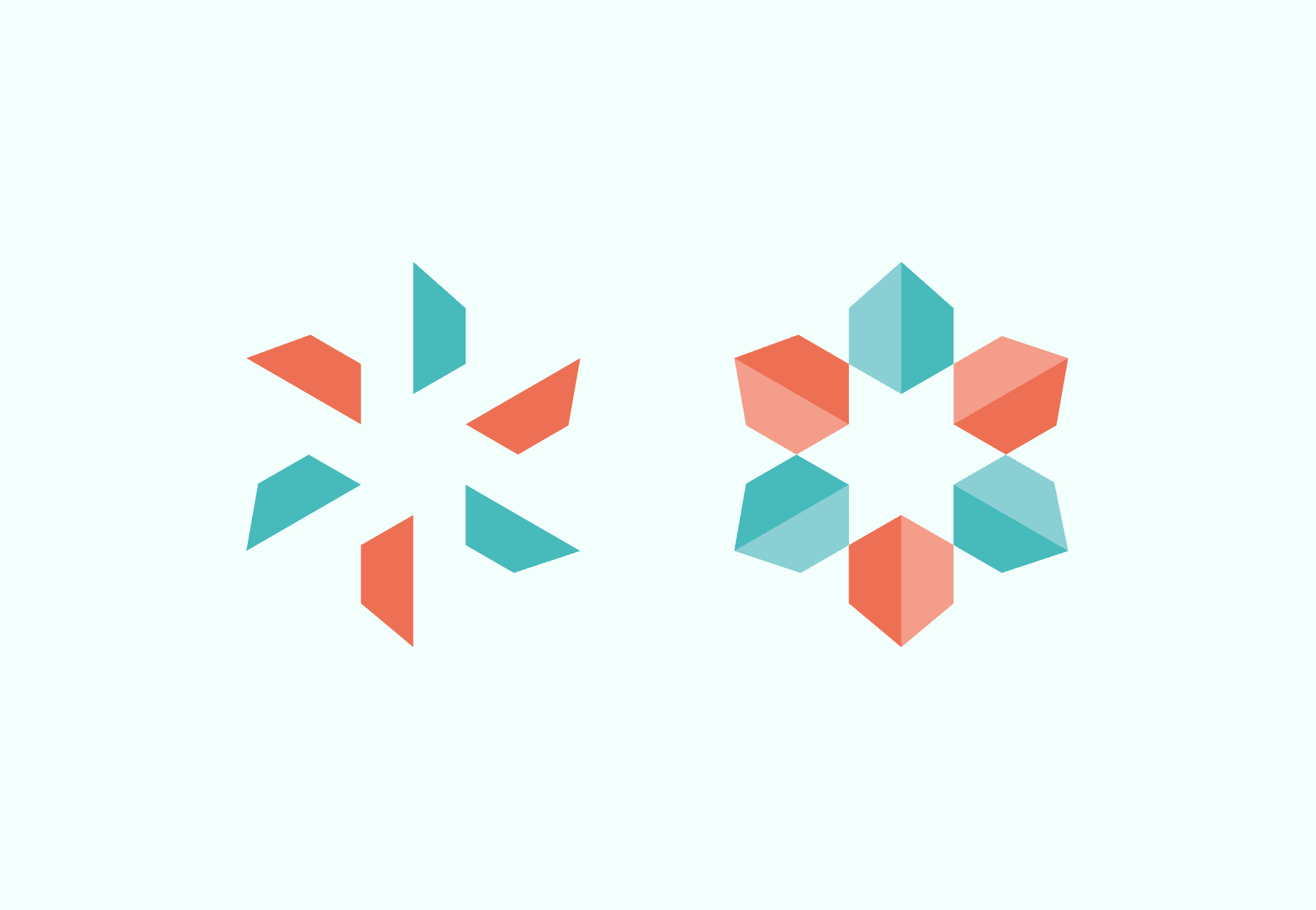
Symmetry is its own discipline. In a dedicated series of geometric marks, I work strict axial balance against optical weight — the kind of problem where a two-percent shift decides whether the shape reads stable or tilted. These are the exercises that keep my eye calibrated.