The Noun Project Archive

A seven-year study in visual balance and precision.

Between 2012 and 2019 I drew and published 490+ icons on The Noun Project across thematic sets like job categories, hotel facilities, and travel. Working at this scale taught me how form, proportion, and stroke behave at 16 pixels — and how small inconsistencies multiply across a family.

Platform

The Noun Project

Discipline

Iconography & Systems

Timeline

2012–2019

Scale

430+ Published Icons
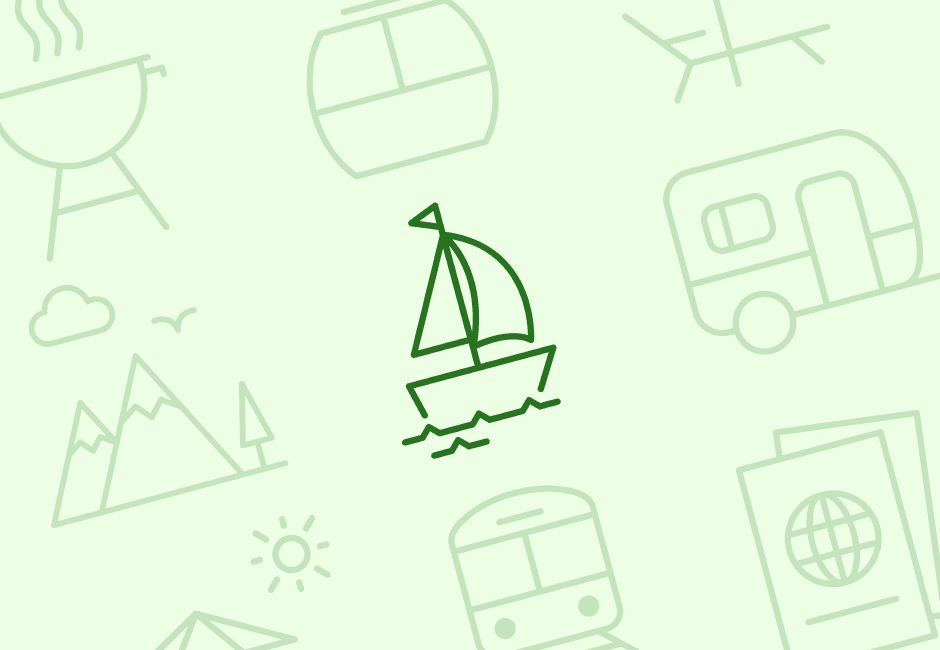
A green outline sailboat centered on a pale green field, with faded travel-themed icons — BBQ, gondola cabin, mountains with bird, train, caravan, passport, sun — arranged around it as a background pattern.

Sets on a Shared Grid

When I drew sets like job categories or hotel facilities, I started with the grid before the first sketch. Consistent stroke weights and matching corner radii kept each icon feeling like part of the same family — even when the subjects had nothing in common.

Twelve white line icons on an orange field: calculator, dumbbell, megaphone, car-and-gear, delivery truck, lightbulb, projector screen, piggy bank, medical plus-circle, shopping cart, graduation cap, hammer.
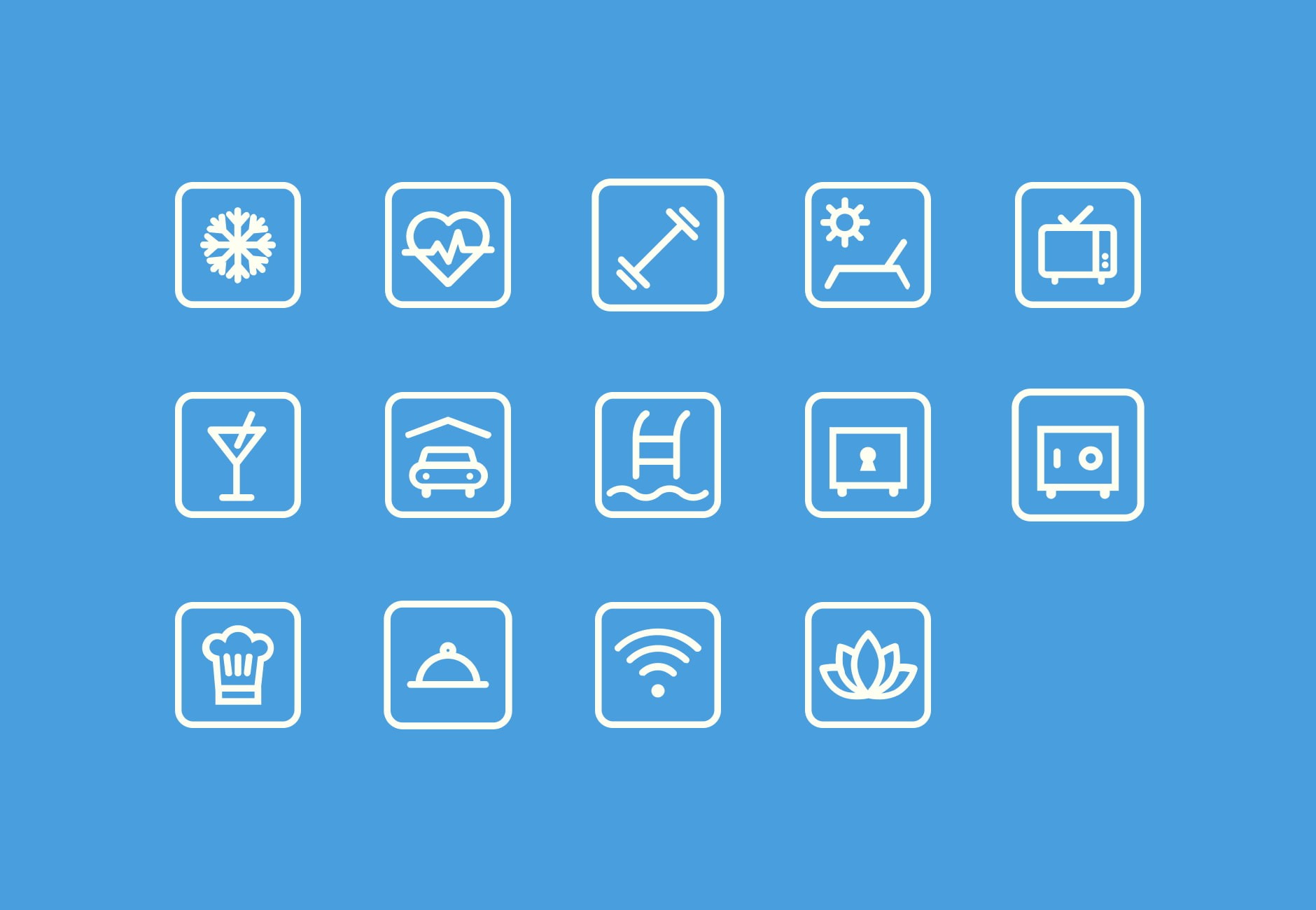
Fourteen white outline icons in rounded squares on a blue field: AC snowflake, heart with pulse, dumbbell, sun lounger, TV, cocktail, car under garage, pool with ladder, key safe, vault, chef's hat, food cloche, wifi, lotus.

Trusting the Eye

At small sizes, pure geometry often looks wrong. A perfectly centered shape reads off-center; a circle drawn the same height as a square looks smaller. Drawing hundreds of everyday objects taught me to trust the eye over the math — nudging curves and alignments until they felt right.
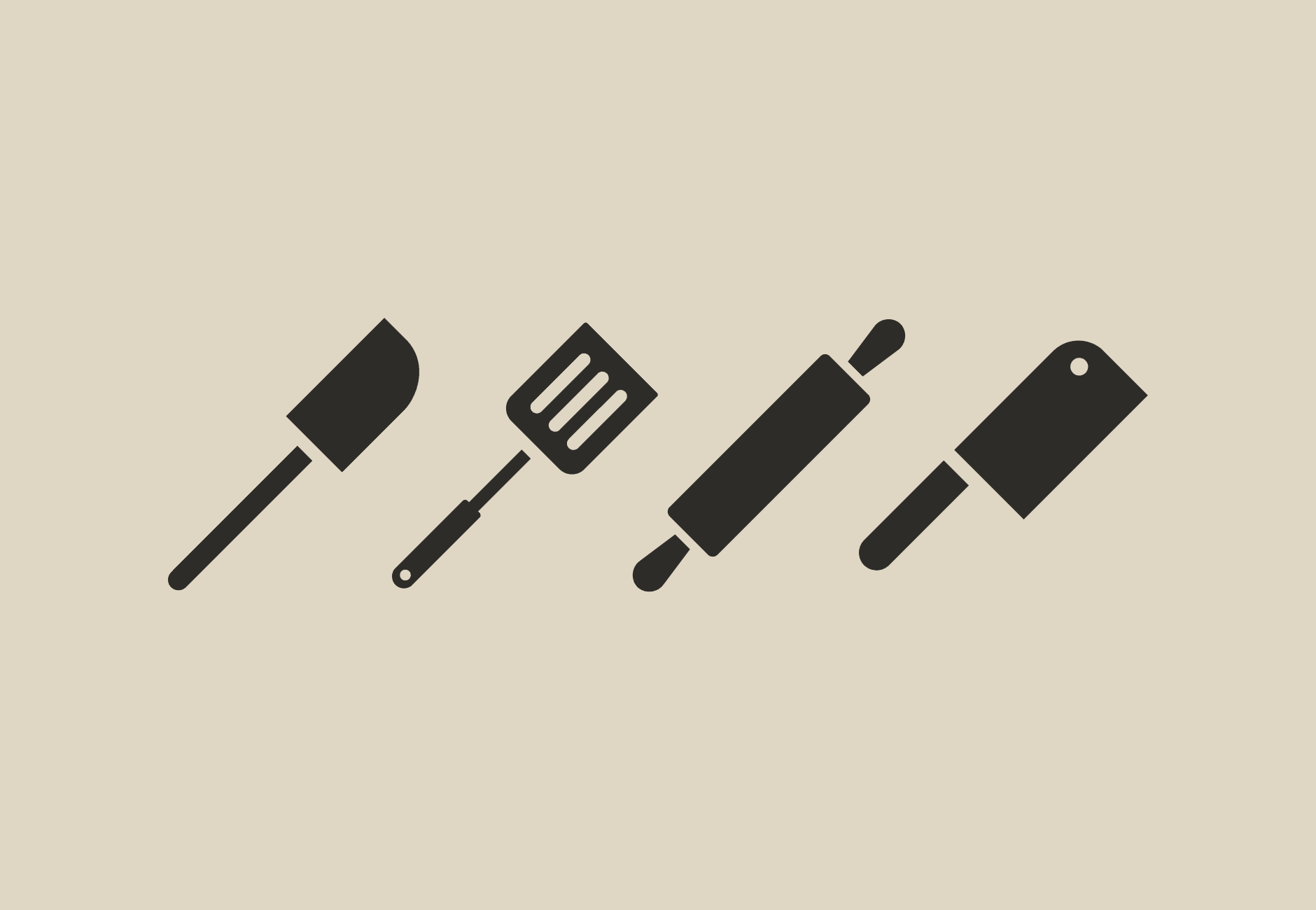
Four black solid silhouettes in a diagonal row on a warm beige field: spatula, slotted turner, rolling pin, cleaver.
A single teal outline hairdryer with three wavy heat lines and a hanging cord, on a near-white background.
A single white outline desk lamp with light rays cast from the shade, on a deep teal background.

Reading at a Glance

An icon has to read in a fraction of a second, usually without context. Whether the brief was wayfinding signage or a set of travel concepts, my job was to strip the form down until only the load-bearing parts stayed — then check it still made sense at thumb size.
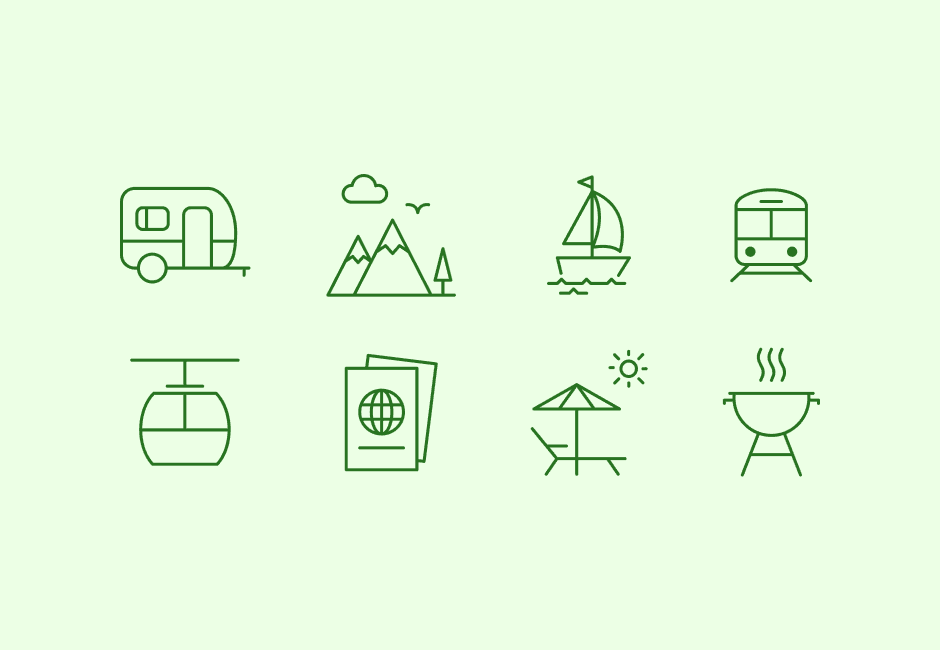
Eight green outline icons on a pale green field: caravan, mountains with bird and tree, sailboat on waves, train front, gondola cable car, passport with globe, beach chair with umbrella and sun, BBQ with smoke.
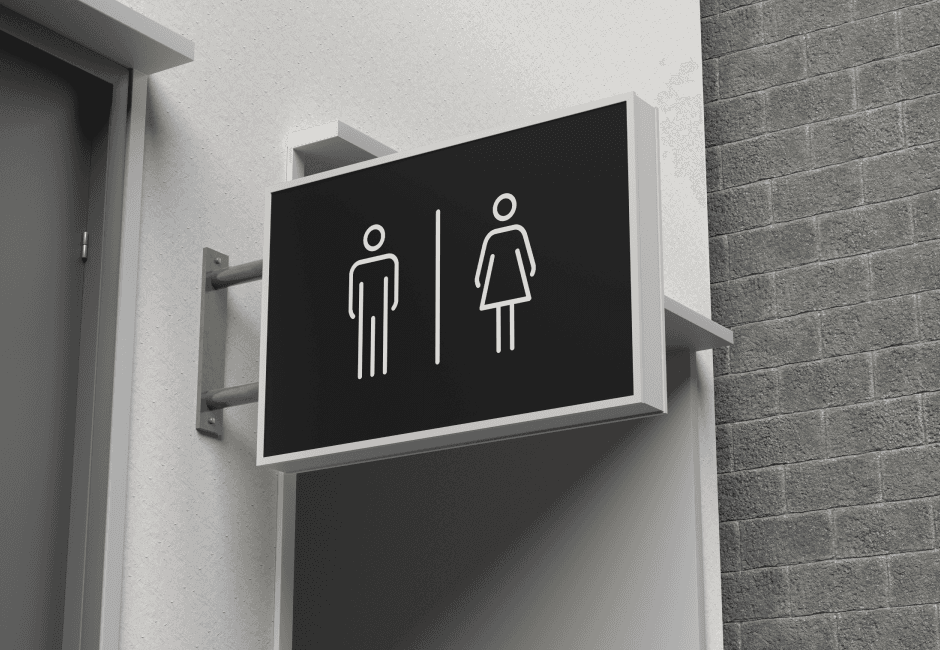
Photograph of a wall-mounted black signboard showing white outline pictograms of a male and female figure separated by a vertical bar, on textured plaster wall next to grey brick.

What Seven Years Built

What started as side explorations turned into a seven-year practice. Drawing this many icons built a kind of muscle memory for spatial balance — an instinct for stroke weight, optical centering, and proportion that I now bring into every art direction and identity project I take on.